pear practice: a design system for learning
MY ROLE
Systems design
VQA
CONTEXT
Client work with Instrument
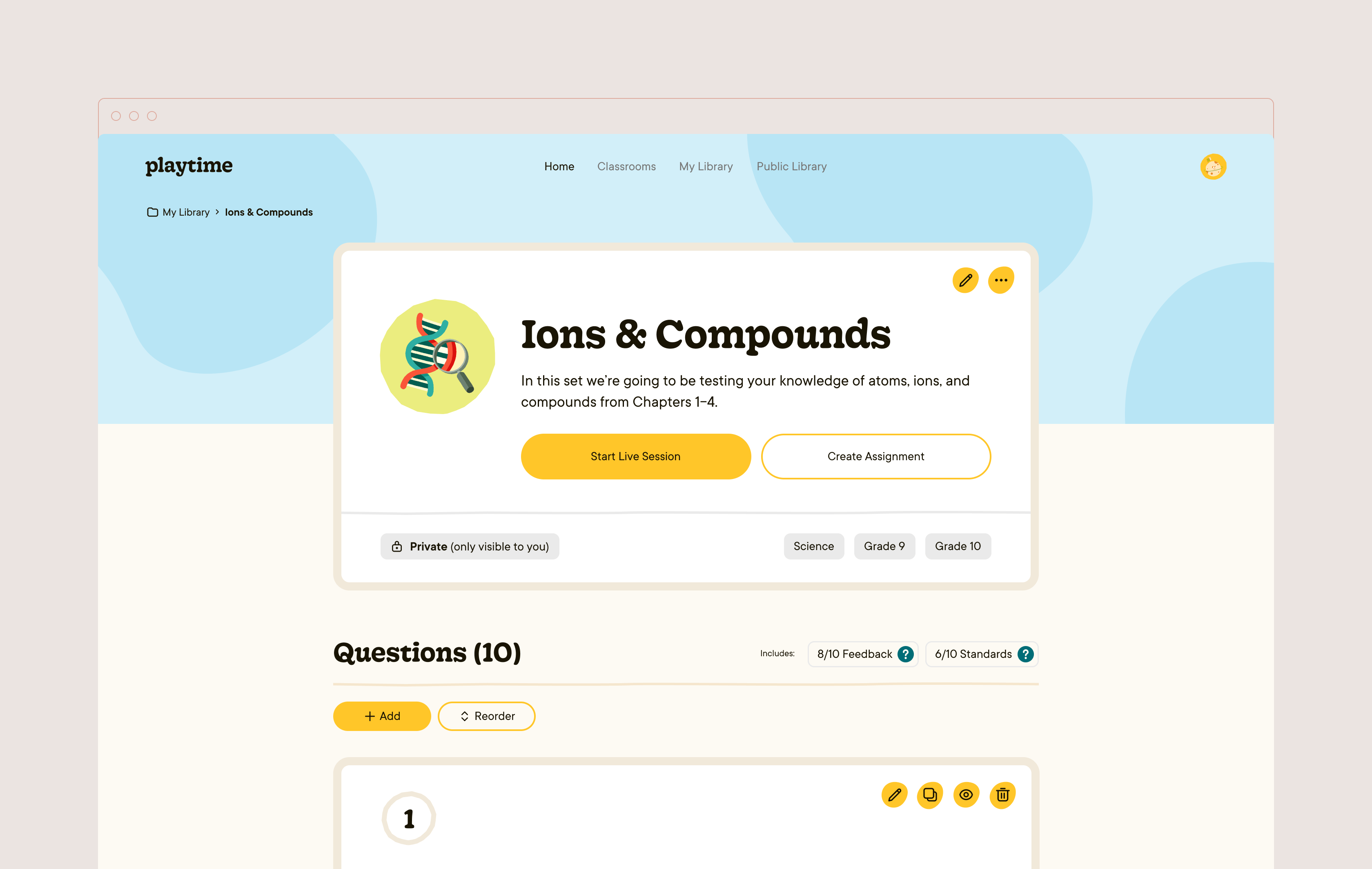
GoGuardian is an industry leader in education technology. Facing a socially distanced school environment increasingly dependent on technology, GoGuardian wanted to build something new — a gamified education platform that could delight students, despite being legitimate educational software built on learning science.
how do you build a game that's fun for students, while simultaneously convincing teachers that the software is a serious tool?
GoGuardian trusted our team to bring that vision into reality: an ambitious project that would come to be known as Pear Practice. For this work, I took on the role of design system manager.
internal impact
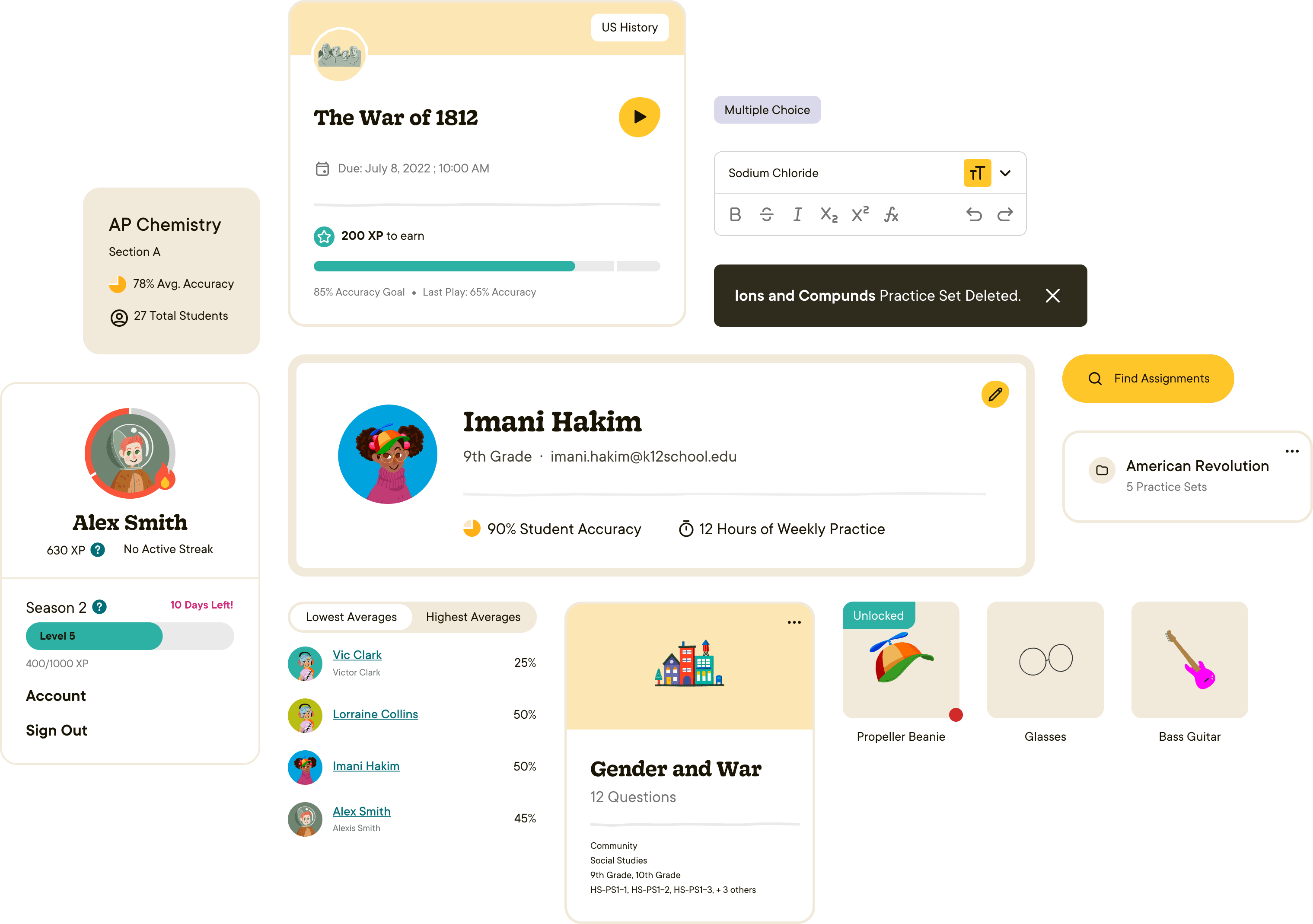
With me handling the library, product designers on my team at Instrument were able to move quickly through iterations, designing with broad strokes and trusting me with fit & finish.
Developers at Instrument received highly consistent deliverables, with functional tokens for spacing and styles, and auto layout that matched the intended web behavior. Any residual confusion was solved by a close working relationship between myself and the devs.
My attention to detail and open communication resulted in both speed and accuracy for the development team — nearly all VQA items passed the first round of evaluation.
client impact
GoGuardian received fully-developed, web-ready components and interactive flows for Pear Practice, along with a turn-key Figma library built for precision and growth.
This gave their own designers and developers the opportunity to continue scaling the product immediately, without missing a beat.
a design system for learning
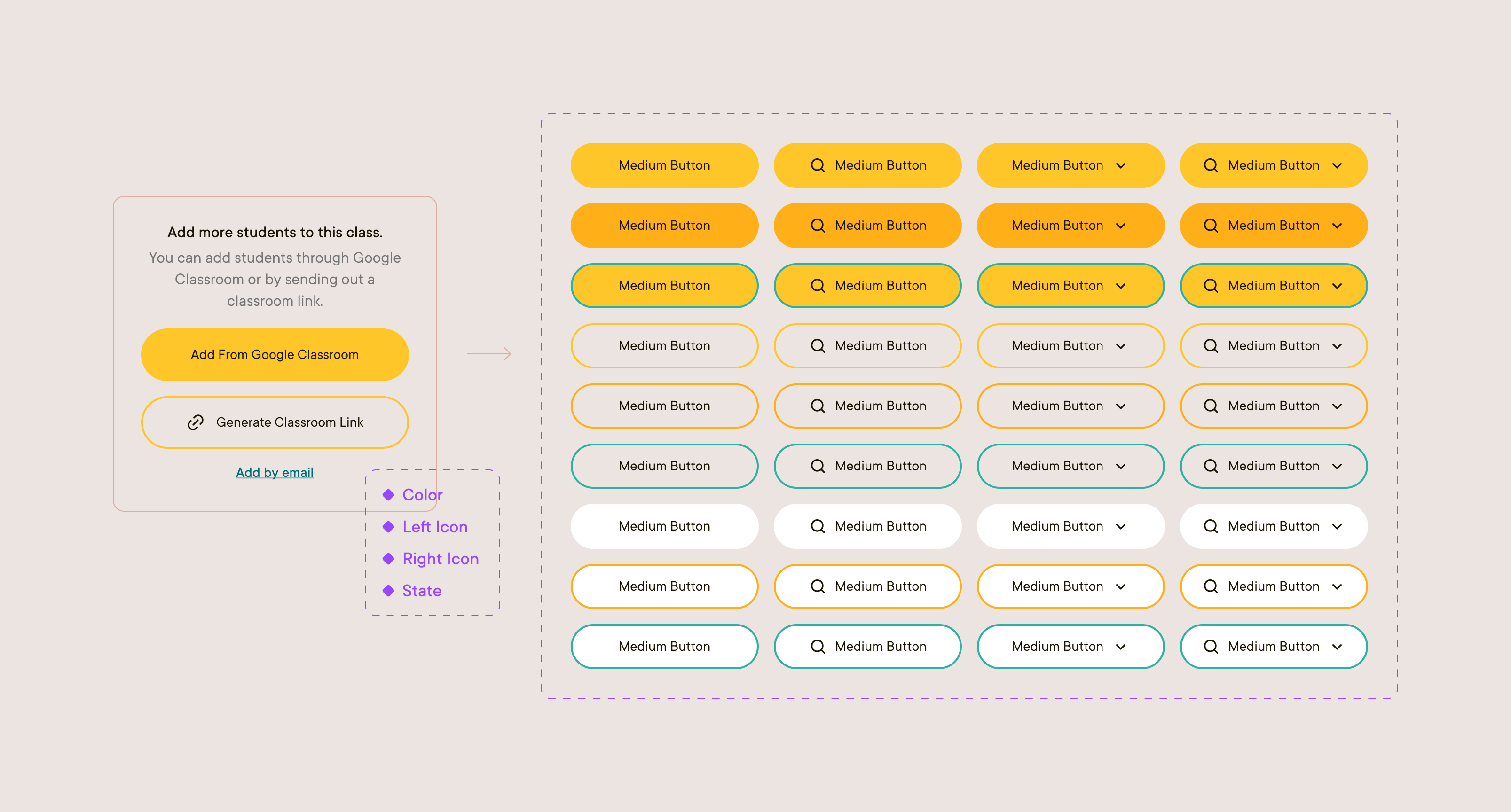
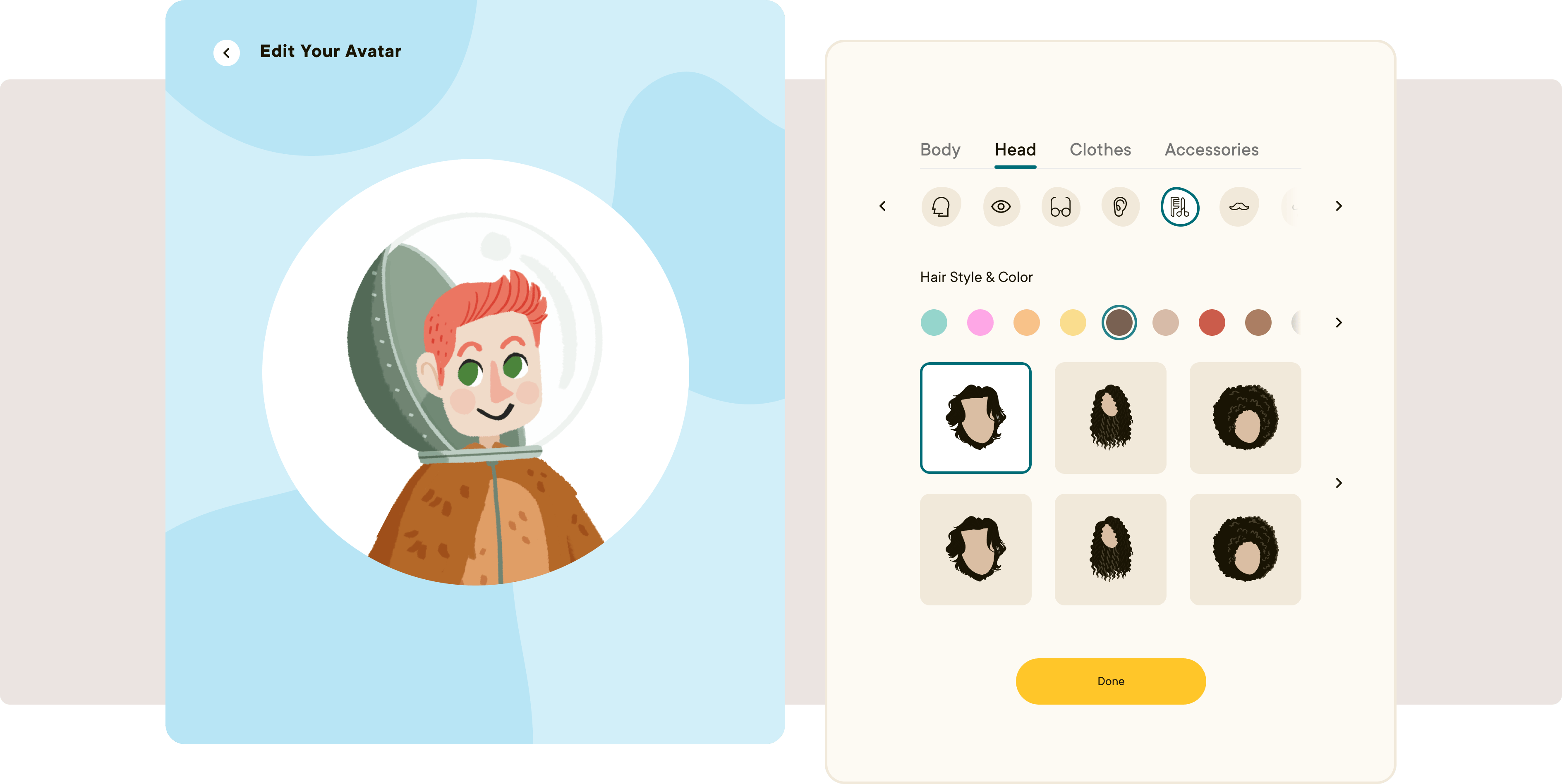
My role on this project was to personally enforce a consistent functional and aesthetic ethos across the product. The bulk of this work involved receiving draft screens from the design team, and building components for each element to the standard of quality expected from a library.
Then, I rebuilt each screen to deliverable accuracy using those components. This process ensured every element of every screen was accounted for in the design system, and allowed the rest of the design team to move quickly through screens with a focus on general function and beauty rather than to-the-pixel fidelity.
This workflow required me to maintain close communication with the design team, not only to ensure their intent was reflected in the final components, but also to ensure my library was providing the building blocks they needed.
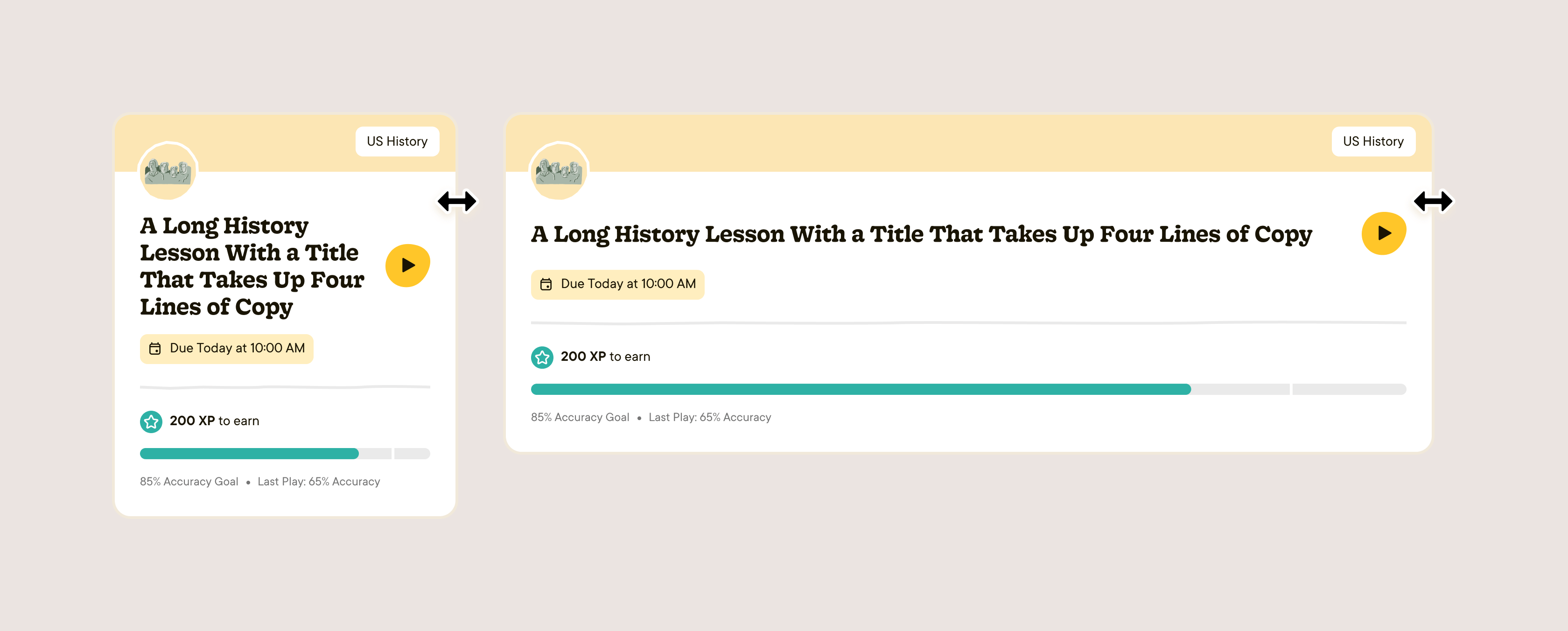
An important aspect of my work was making sure the components themselves functioned exactly as they would in the final product — or, as close as possible with Figma's current auto layout features. This left the development team with minimal questions about details like how cards handle multiple lines of copy, or how they scale in between breakpoints.
When static designs couldn't get the job done, I threw together animated prototypes to demonstrate more complicated interactions in motion.
Once the design phase of the project was complete, my role transitioned into VQA. As the sole remaining designer, I was singularly responsible for cross-checking every element from the development team, verifying everything from visual fidelity to responsive behavior and copy accuracy.
This work also involved creating lots of instructional content for the developers. Since they weren't all well-versed in Figma, it was important for me to not just build the components correctly, but to help illustrate some of the rules behind how they were built. This way, developers could save time and improve consistency by copying shared characteristics between components, just as we did in the design phase.
As someone who strongly values attention to detail in design, this kind of role was perfect for me! I loved being an honorary member of the dev team, and our super close collaboration allowed us to move quickly through tickets and avoid confusion.
Working on Pear Practice was genuinely fulfilling for me. I love working in education software, and the design system management role allowed me to really capitalize on my organizational skills in ways I couldn't in more traditional design positions. This was my first true systems design role, and it has since become my specialization as a product designer.
Note: Pear Practice was formerly called Giant Steps.